Every musician knows the magic of a perfectly tuned string—the way it vibrates, resonates, and fills a room with sound. What many don’t realize is that behind every note lies a precise industrial process: wire drawing for musical strings.
Wire drawing is the art of reducing metal rods into fine wires by pulling them through dies. In musical strings, this isn’t just about shaping metal—it’s about shaping sound. The smallest variations in wire diameter, surface quality, or tensile strength can make the difference between a dull note and a brilliant one.
From pianos and violins to guitars and harps, every string begins as wire. And that wire must be flawless. Precision wire for strings ensures tuning stability, tonal clarity, and durability. This is why leading manufacturers like D’Addario, Ernie Ball, and Thomastik-Infeld invest heavily in advanced die technologies.
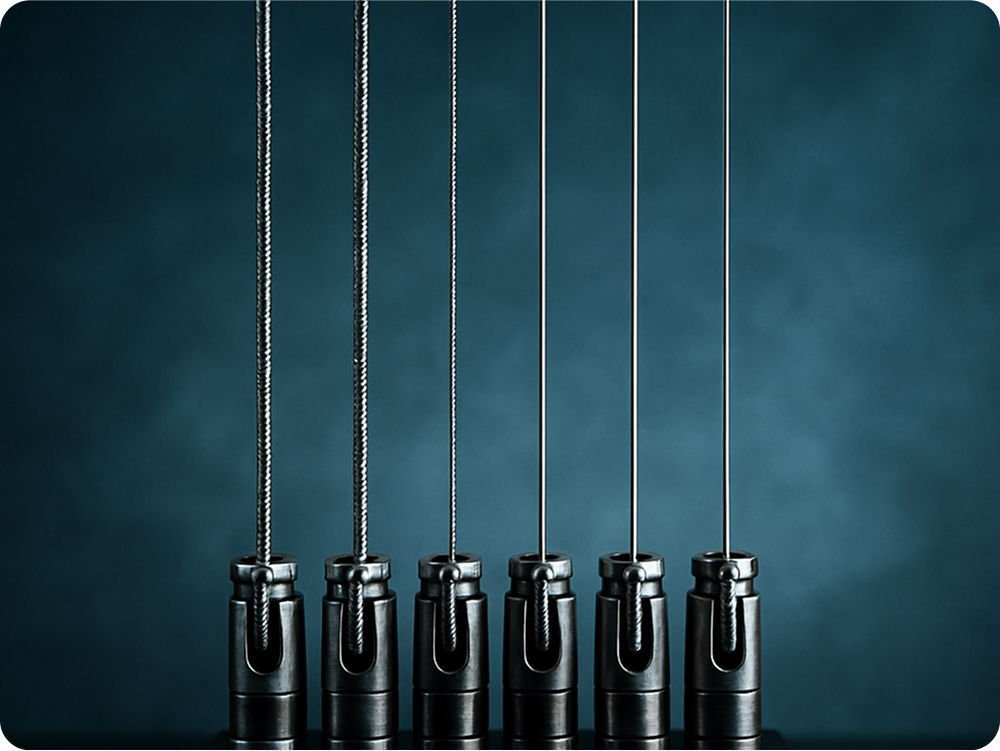
Traditional tungsten carbide dies, while effective, wear down quickly, causing inconsistencies. Enter the next generation of die solutions for wire consistency:
- Polycrystalline Diamond (PCD) Dies for long-lasting precision.
- Nano-Coated Dies for friction-free drawing and perfect surface finishes.
- Zero-Rejection Dies to guarantee every inch of wire is usable.
These innovations result in smoother, stronger, and more reliable wires—qualities that directly translate into better sound.
Case studies prove the point: Steinway’s concert pianos rely on precision-drawn wire for stable tuning, while guitar string leaders like D’Addario use nano-coated dies to prevent breakage in ultra-thin high E strings. Violin manufacturers employ tungsten winding over precision steel cores for tonal warmth.
The global market reflects this growing demand. Musicians are increasingly willing to pay more for strings that last longer, resist corrosion, and deliver premium sound. Sustainability is also emerging as a driver, with recyclable materials and eco-friendly coatings becoming popular in Europe and North America.
Ultimately, wire drawing for musical strings is where science meets art. It’s a process that demands micrometer precision, but its impact is heard in the soaring resonance of a violin solo or the thunder of a piano chord.
As technology evolves—with AI-driven defect detection and nano-material coatings—the future of musical strings is clear: better consistency, longer life, and sound that connects more deeply with audiences worldwide.