Introduction
Micro springs may be tiny, but their impact is enormous. From powering life-saving medical devices to enabling next-generation electronics, these miniature components demand unmatched levels of precision. Yet one challenge remains constant across industries: wire surface quality.
Even the smallest defect—whether a microscopic scratch, pit, or oxide layer—can cause a spring to fail prematurely. For industries where reliability is critical, such as healthcare or aerospace, these failures are simply unacceptable.
This blog explores why surface quality matters in wire drawing for micro springs, what technologies are being used to overcome these challenges, and how die solutions for spring wire consistency are reshaping the future of micro spring manufacturing.
Why Wire Surface Matters in Micro Springs
Unlike larger springs, micro springs work under extreme stress in very compact environments. A scratch just a few microns deep can reduce fatigue resistance by up to 40%. When used in stents or aerospace actuators, this can lead to catastrophic outcomes.
Surface irregularities also affect:
- Electrical performancein connectors.
- Corrosion resistancein medical and marine applications.
- Consistency of force output,essential in precision electronics.
How Precision Wire Drawing Improves Surface Quality
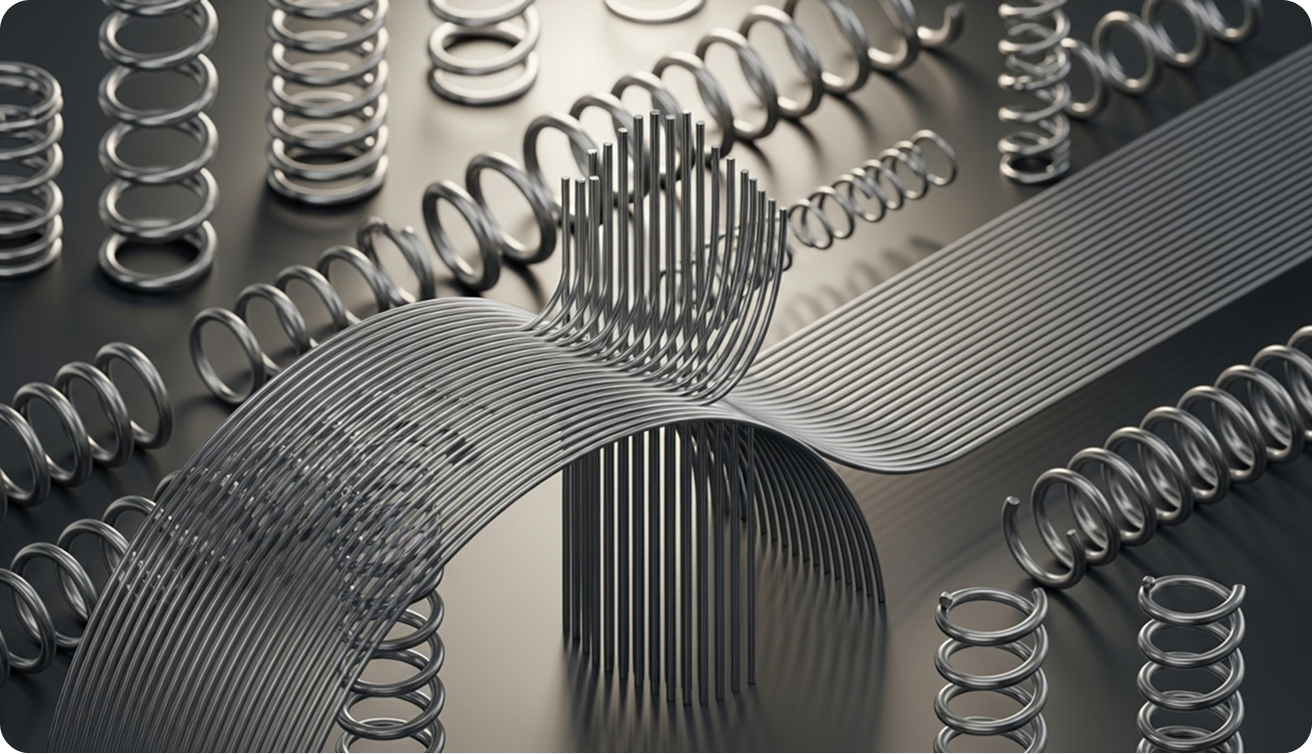
Wire drawing—the process of pulling wire through a series of dies to reduce diameter—is where surface quality is defined. Advances in precision wire for springs have made a remarkable difference:
- Diamond and PCD dies ensure smoother surfaces.
- Lubricants with nanoparticle additives minimize scratching and friction.
- Zero-rejection dieshelp achieve uniform diameter and consistency across production runs.
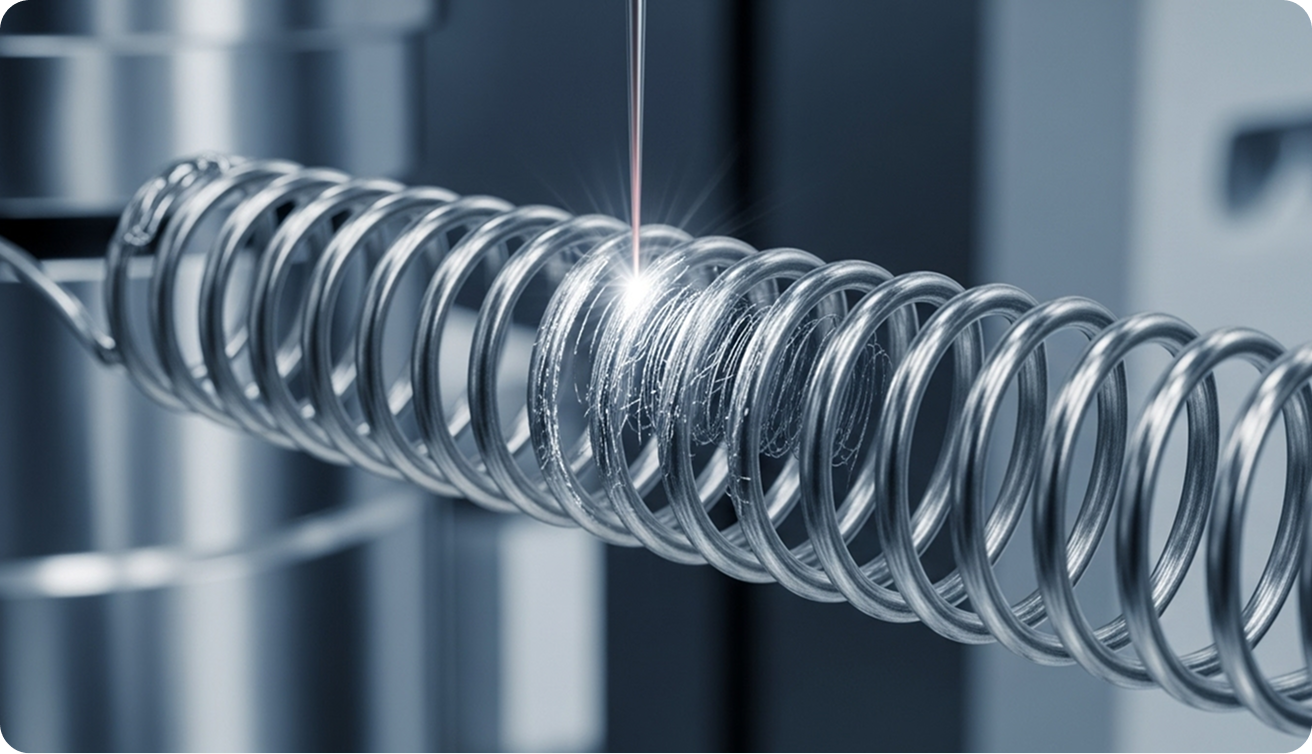
- Laser-based inspections detect flaws invisible to the naked eye.
Case Study Highlights
- Medical devices: Catheter springs achieved 68% fewer failures after switching to precision-drawn wire.
- Electronics: Uniform wire drawing improved conductivity by 22% in connector springs.
- Aerospace: Breakage rates fell dramatically when zero-rejection die systems were adopted.
Market Trends
- Healthcare demand: Biocompatible spring wires are fueling medical device innovation
- Consumer electronics growth: Asia-Pacific is driving high-volume micro spring production.
- AI-driven defect detection: Machine learning is revolutionizing surface inspection.
Closing Thought
As industries race toward miniaturization, wire drawing for micro springs is no longer just about reducing size—it’s about achieving perfection. For manufacturers, investing in die solutions for spring wire consistency is the key to unlocking higher performance, lower rejection rates, and stronger customer trust.