Introduction
Springs may seem like small components, but in aerospace engineering, they are mission-critical. From landing gear to turbine systems, aerospace springs must withstand extreme loads, high frequencies of vibration, and wide temperature variations. Any spring failure could jeopardize safety and cost millions in downtime and replacement.
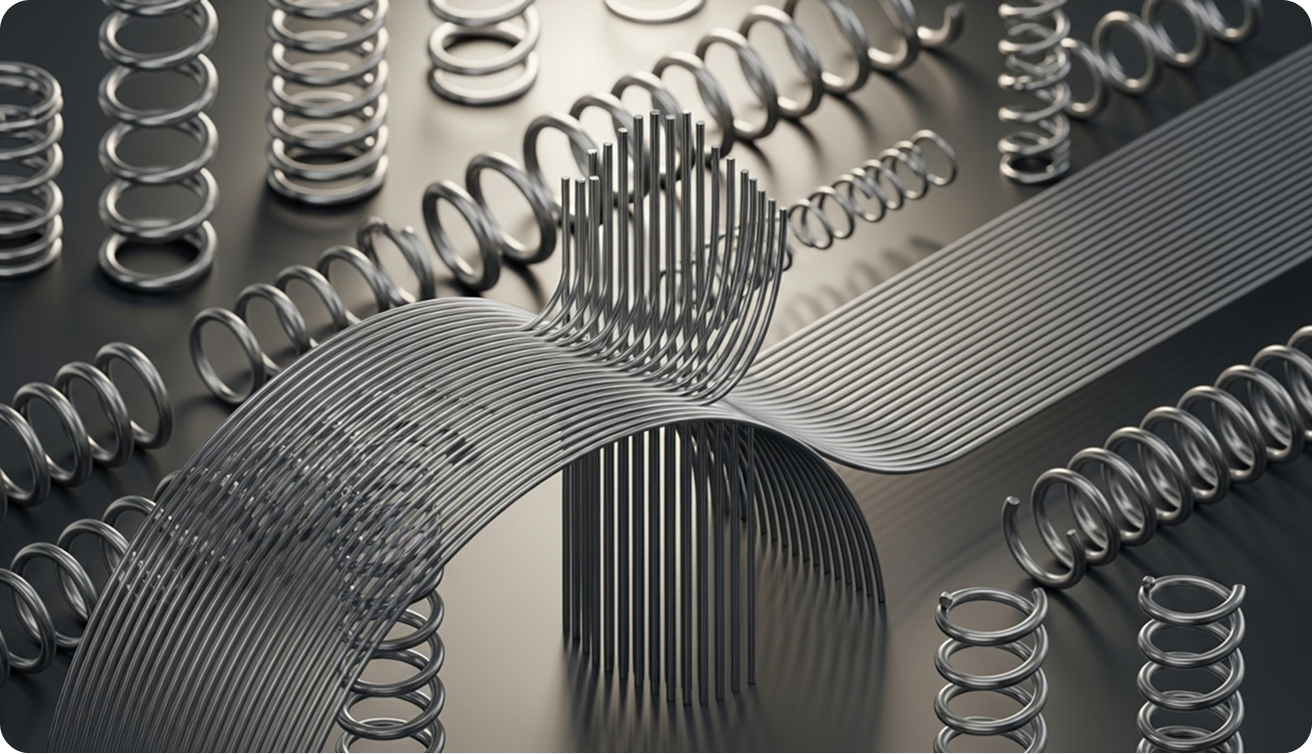
One of the main causes of spring failure is wire breakage during manufacturing or in-service use. Breakage often results from microstructural inconsistencies, diameter variations, or surface flaws in the spring wire. These flaws usually trace back to the wire drawing process, where the wire is pulled through dies to achieve the desired diameter.
The Role of Advanced Die Technology in
Aerospace Spring Manufacturing
In the world of aerospace engineering, every component—no matter how small—plays a critical role in overall safety and performance. Springs, often overlooked as minor parts, are in fact mission-critical elements that must perform flawlessly under extreme stresses, temperature fluctuations, and long service cycles. At the heart of reliable aerospace springs lies the wire drawing process, where the quality of dies directly determines the precision, consistency, and fatigue resistance of the spring wire.
The Limitations of Traditional Dies
For decades, tungsten carbide dies were the industry standard for wire drawing. While durable and relatively cost-effective, these dies have a significant drawback: they wear quickly when working with the high-strength alloys typically used in aerospace. As a die wears, its internal geometry changes, leading to dimensional inconsistencies in the drawn wire. Even small variations in wire diameter can create uneven stress distribution in a finished spring, making it more vulnerable to fatigue cracks and premature failure.
In aerospace applications, where micron-level tolerances are required and safety is non-negotiable, these inconsistencies are unacceptable. The industry needed a breakthrough—and it arrived in the form of advanced die technologies.
Polycrystalline Diamond (PCD) Dies: Redefining Precision
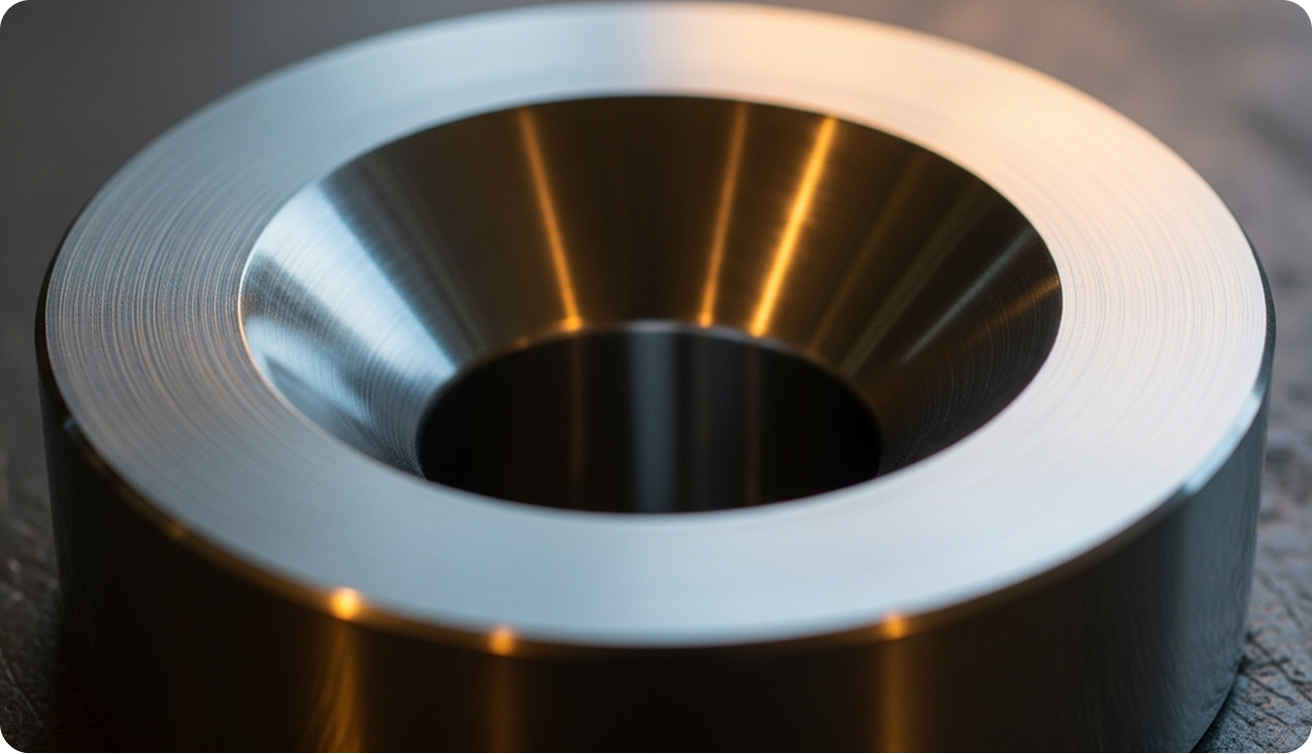
Among the most impactful innovations are Polycrystalline Diamond (PCD) dies. Known for their extreme hardness and wear resistance, PCD dies maintain their geometry far longer than tungsten carbide. This stability ensures that precision wire for springs is produced consistently, batch after batch, without deviations in diameter or roundness.
The result? Aerospace springs manufactured from PCD-drawn wire demonstrate superior fatigue resistance and reliability, critical for applications ranging from landing gear assemblies to satellite deployment mechanisms. With PCD dies, the industry has achieved a step-change in ensuring wire drawing for micro springs meets the rigorous demands of flight safety.
Nano-Coated Dies: Reducing Heat and Friction
Another major leap comes from nano-coated dies, which use advanced coatings such as titanium nitride (TiN) or diamond-like carbon (DLC) to create ultra-low friction surfaces. During wire drawing, excessive heat and friction can cause microscopic scratches or scoring on the wire surface. Even imperfections invisible to the naked eye can serve as crack initiation points, undermining the fatigue life of a spring.
Nano-coated dies solve this problem by dramatically reducing friction and improving the effectiveness of lubricants. The result is a smoother, defect-free surface finish that minimizes microscopic surface damage, further enhancing the durability and performance of aerospace springs.
Zero-Rejection Dies: Eliminating Variability
In aerospace, consistency is as important as performance. Zero-rejection dies are engineered to produce wire with no scrap output, ensuring every meter of wire meets stringent quality standards. This innovation is more than a cost-saving measure; it is about eliminating variability in tensile strength, surface finish, and grain structure.
By providing die solutions for spring wire consistency, zero-rejection dies guarantee that every spring manufactured within a batch behaves predictably, a requirement for aerospace systems where even minor deviations can have serious consequences.
The Bigger Picture: Safety, Reliability, and Innovation
Together, these innovations—PCD dies, nano-coated dies, and zero-rejection dies—represent a revolution in aerospace wire drawing. They ensure tighter tolerances, smoother finishes, and uniform material properties, producing precision wire for springs that can withstand the punishing conditions of aerospace service.
For manufacturers, the adoption of advanced die technologies not only reduces material waste and downtime but also provides a competitive edge in meeting the stringent quality requirements of aerospace certification bodies. For airlines, defense contractors, and space exploration companies, it translates into springs that last longer, perform reliably, and minimize the risk of costly or dangerous failures.
In short, advanced die technology has become the backbone of modern aerospace spring manufacturing, enabling springs that are not just functional, but flight-worthy.
Case Studies from Aerospace
- Landing Gear Springs in the U.S. saw a 60% increase in fatigue life with PCD dies.
- Fuel Injector Micro Springs in Germany reduced wire breakage by 25% with nano-coated dies.
- Titanium Springs for Spacecraft in Japan saw defect rates drop from 18% to less than 2% with zero-rejection dies.
These examples show how adopting the right die solutions can reduce costs, improve reliability, and enable the use of advanced materials like titanium and nickel alloys.
Market Implications
The aerospace industry’s emphasis on safety and reliability is driving rapid adoption of these technologies. As lightweight alloys become standard and Industry 4.0 integration advances, precision wire drawing will continue to be a strategic priority.
Closing Thought
The next generation of aerospace springs depends on die solutions for spring wire consistency. By improving surface quality, dimensional control, and fatigue resistance, advanced dies are helping manufacturers overcome the biggest challenge in spring production: breakage.
For aerospace suppliers, investing in advanced die technology is not just about efficiency—it’s about safeguarding reliability and ensuring flight safety.