Introduction
Electric vehicles (EVs) are redefining the future of mobility, but their success depends on more than just batteries and motors. At the core of EV performance lies an often-overlooked component: cold-drawn alloy wires. These wires power everything from battery systems and traction motors to safety sensors and fast-charging infrastructure.
Yet, designing and manufacturing wires for EVs isn’t simple. The demands of high current loads, thermal stress, and lightweighting create challenges that traditional wiring materials cannot always meet. This article explores the key issues and innovations surrounding cold-drawn alloy wires in EV applications.
Key Challenges in EV Wire Applications
- Balancing Strength & Conductivity EVs need wires that are strong enough to withstand mechanical stresses but also highly conductive for efficient power transfer. Alloying copper with nickel, silver, or tin helps, but it often reduces conductivity.
- Thermal Resistance EV motors, batteries, and fast-charging systems generate extreme heat. Cold-drawn alloy wires must maintain performance without softening, oxidizing, or degrading at high temperatures.
- Fatigue & Vibration Repeated charging cycles and constant vibrations place wires under stress. Without fatigue-resistant alloys and precise wire drawing, wires risk premature failure.
- Corrosion Protection Exposure to humidity, salinity, and road conditions makes corrosion resistance a must, especially in coastal or cold-climate regions.
- Light weighting & Miniaturization Thinner, lighter wires are essential for reducing EV weight and improving efficiency. Achieving micron-level precision in wire drawing while retaining durability is a major challenge.

The Role of Precision Wire Drawing
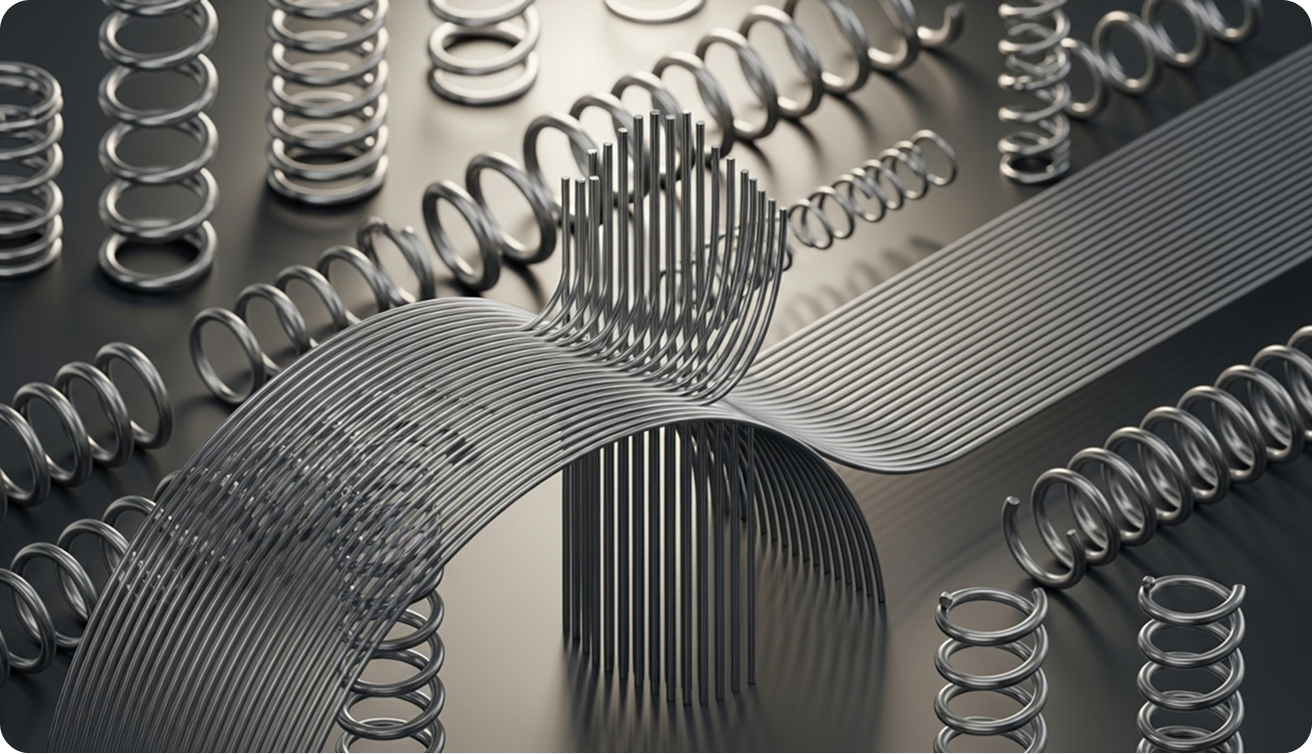
Modern wire drawing technology addresses these challenges through:
- Advanced Dies (tungsten carbide, PCD, nano-coated) that ensure consistency and longer tool life.
- Microstructure Control that improves strength and fatigue resistance.
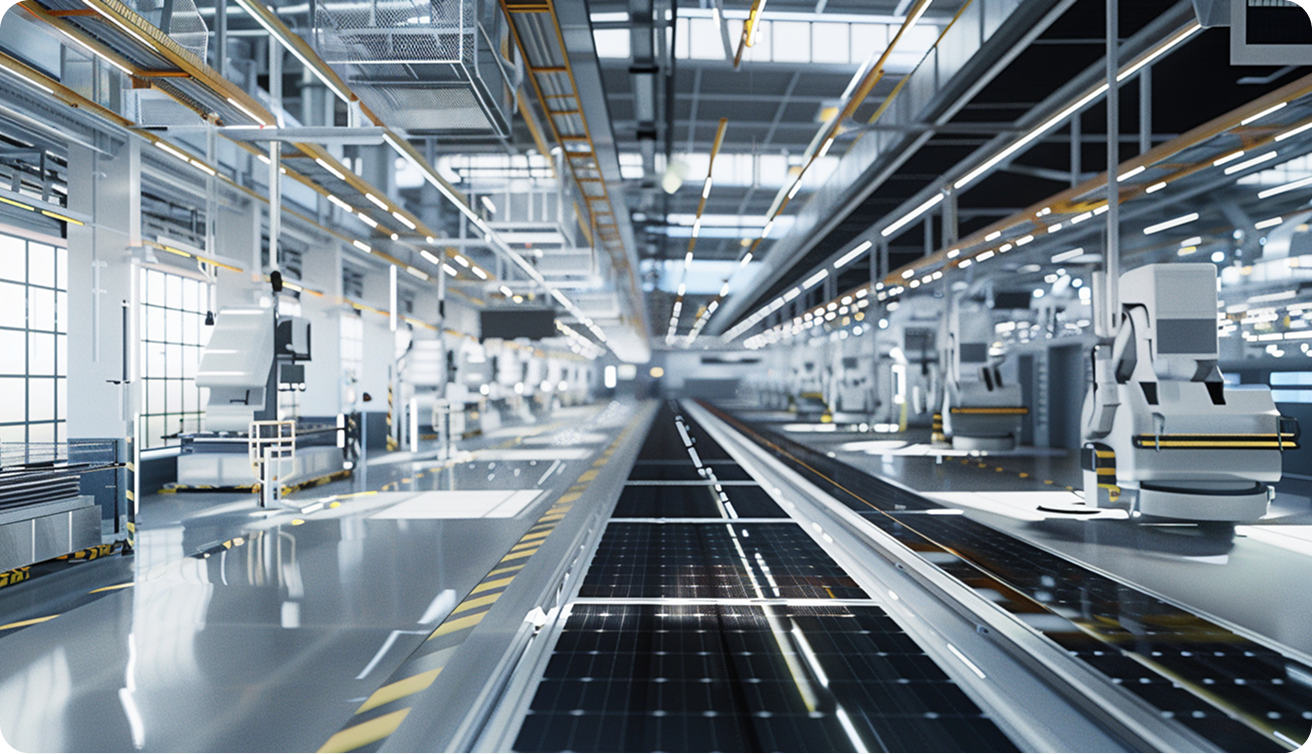
- Automation & AI Monitoring for real-time defect detection.
- Application-Specific Designs such as flat-section wires for motors or ultra-thin wires for sensors.
Material Innovations Driving EV Wires
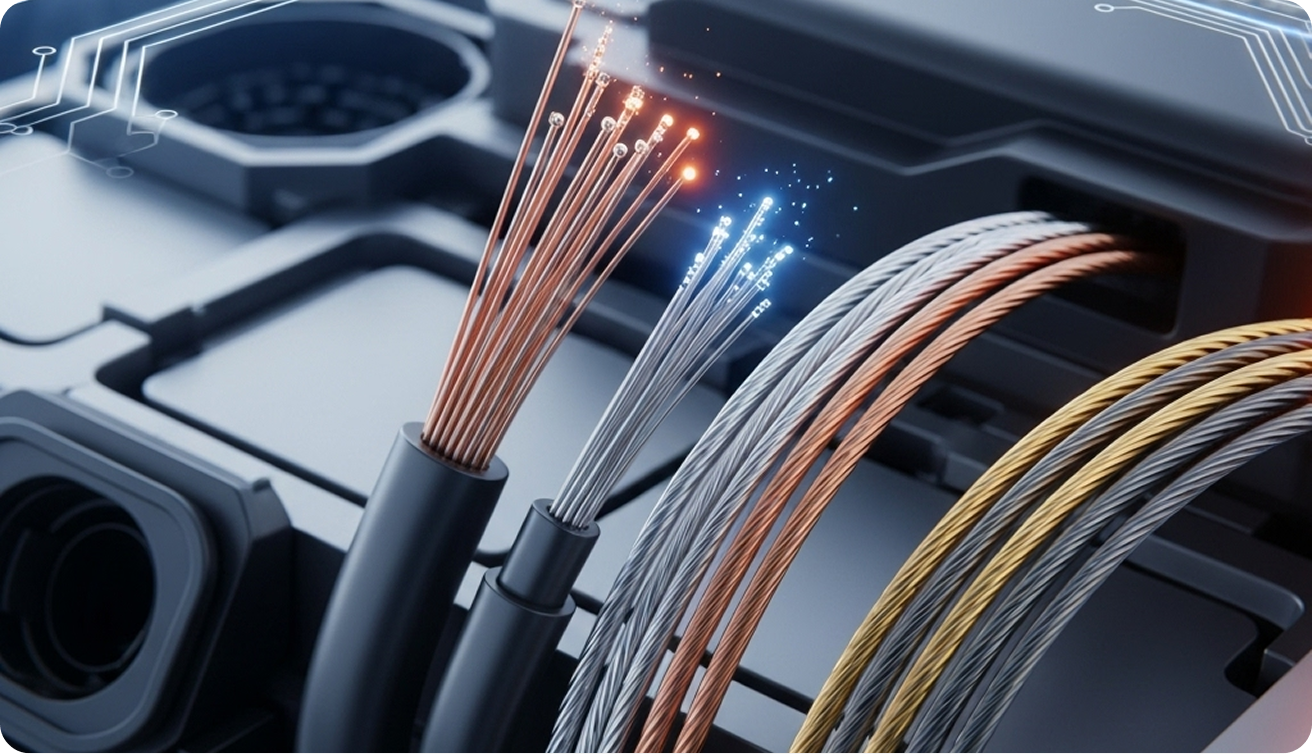
- Copper Alloys (Cu-Ni-Si, Cu-Ag) for improved strength and thermal resistance
- Aluminum Alloys as lightweight alternatives to reduce overall vehicle mass.
- Nickel Alloys for high-temperature applications in charging and battery systems.
- Hybrid Composite Wires that combine multiple metals to optimize performance.
Applications in EV Systems
- Battery Interconnects: high-strength copper alloys for reliable current flow.
- Traction Motors: flat-section wires with superior insulation for efficiency.
- Charging Systems: alloys with creep resistance to withstand fast-charging heat.
- Wiring Harnesses: lightweight aluminum alloys with protective coatings.
Future Outlook
The global EV wire and cable market is expected to grow rapidly, with high-performance alloy wires at its center. Emerging innovations include:
- Nanostructured alloys for fatigue resistance.
- AI-driven monitoring for defect-free production.
- Sustainable alloys and eco-friendly lubricants.
- Smart wires with embedded sensors for predictive maintenance.
Closing Thought
Cold-drawn alloy wires are not just components—they are enablers of EV performance, safety, and sustainability. As the EV revolution accelerates, precision-driven wire drawing and material innovation will be key to overcoming challenges and unlocking the next generation of electric mobility.